Organic Waste Diversion
Keep recoverable organic material away from conventional disposal sites.

Spent coffee grounds are often treated as ordinary waste even though they are organic, moisture-rich and still contain recoverable material value. When disposed of in landfill, they can contribute to avoidable waste accumulation and anaerobic decomposition.
Recovering this waste stream can reduce landfill dependency, prevent unnecessary emissions and lower demand for virgin fossil-based materials. It also creates opportunities for compostable applications that can return safely to natural systems.

Organic waste is kept out of landfill and redirected towards safer end uses.
Each step addresses a different environmental pressure created by conventional disposal and dependence on single-use fossil-based materials.
Keep recoverable organic material away from conventional disposal sites.

Reduce anaerobic decomposition associated with organic waste in landfill.

Lower demand for newly extracted petroleum-based and natural resources.

Support alternatives that avoid persistent plastic residues and microplastics.

Enable suitable products to break down naturally after their useful life.

Return organic matter to natural systems without harmful persistent residues.
 ALS
Eco Rekaffee transforms one waste stream into four areas of positive impact, mapping its coffee-waste recovery model directly to SDG 12, SDG 13, SDG 14 and SDG 15. By recovering spent coffee grounds, we reduce waste, avoid landfill-related emissions, minimise plastic pollution and support healthier land systems.
 Sustainable
Ensure sustainable consumption and production patterns.

 01
Spent coffee grounds are kept away from landfill.

 02
Consumer waste becomes input for a new production cycle.
Supports Target 12.5 through waste reduction and upcycling.
 Sustainable
Take urgent action to combat climate change and its impacts.

 01
Organic waste is intercepted before anaerobic landfill decay.

 02
Less landfill-related greenhouse-gas pressure.
Stabilising coffee waste helps prevent localised methane emissions.
 Sustainable
Conserve and sustainably use the oceans, seas and marine resources for sustainable development.

 01
Reduces persistent material entering aquatic systems.

 02
Avoids toxic residues and persistent microplastics.
Compostable materials are designed to degrade naturally.
 Sustainable
Protect, restore and promote sustainable use of terrestrial ecosystems, forests and land resources.

 01
Less demand for virgin timber and petroleum-based inputs.
 02
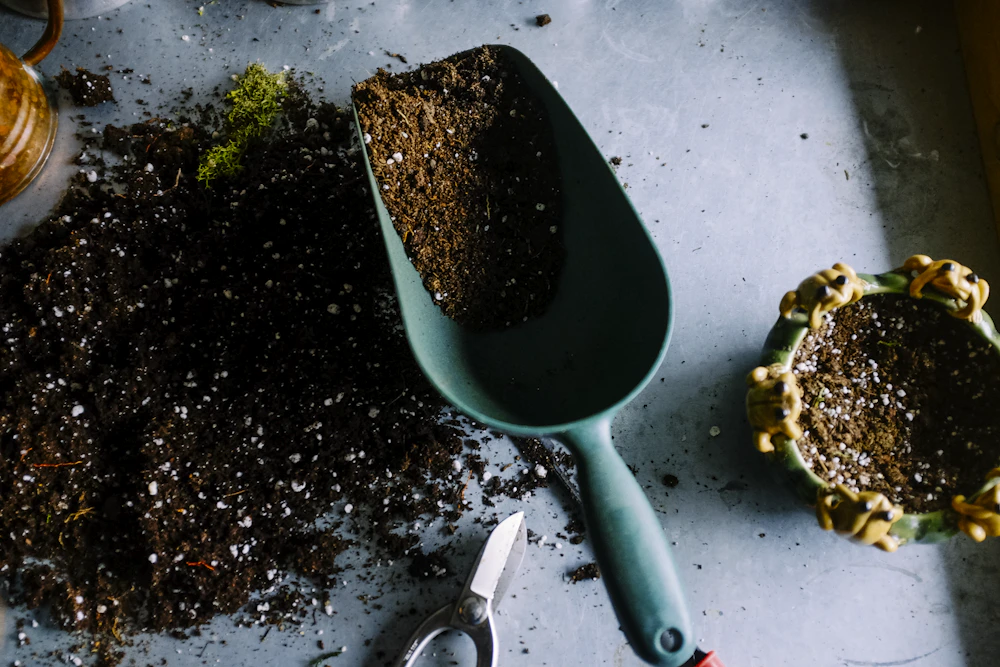
Nutrient-dense compost supports biodiversity and restoration.
Upcycling and composting help combat soil degradation.
REKAFFEE demonstrates how spent coffee grounds can contribute to a broader environmental solution by supporting waste reduction, climate action, healthier ecosystems and a more regenerative circular economy.
From waste to value, Eco Rekaffee Sdn Bhd upcycles spent coffee grounds into sustainable packaging solutions. Driving eco innovation across Malaysia. Contact us today.
573, Jalan Idaman 3/7, Taman Perindustrian Senai, 81400 Senai, Johor, Malaysia.